
01
Plastik
Kalıp, ekstrüzyon ve enjeksiyon uygulamalarında hassas sıcaklık kontrolü.
HASSAS PROSES KONTROLÜAPPLICATIONS / PROCESS COOLING
From production lines to occupied buildings, we assess temperature, capacity and continuity requirements together.
APPLICATION AREAS
Choose an industry to explore applications and the key inputs for system selection.
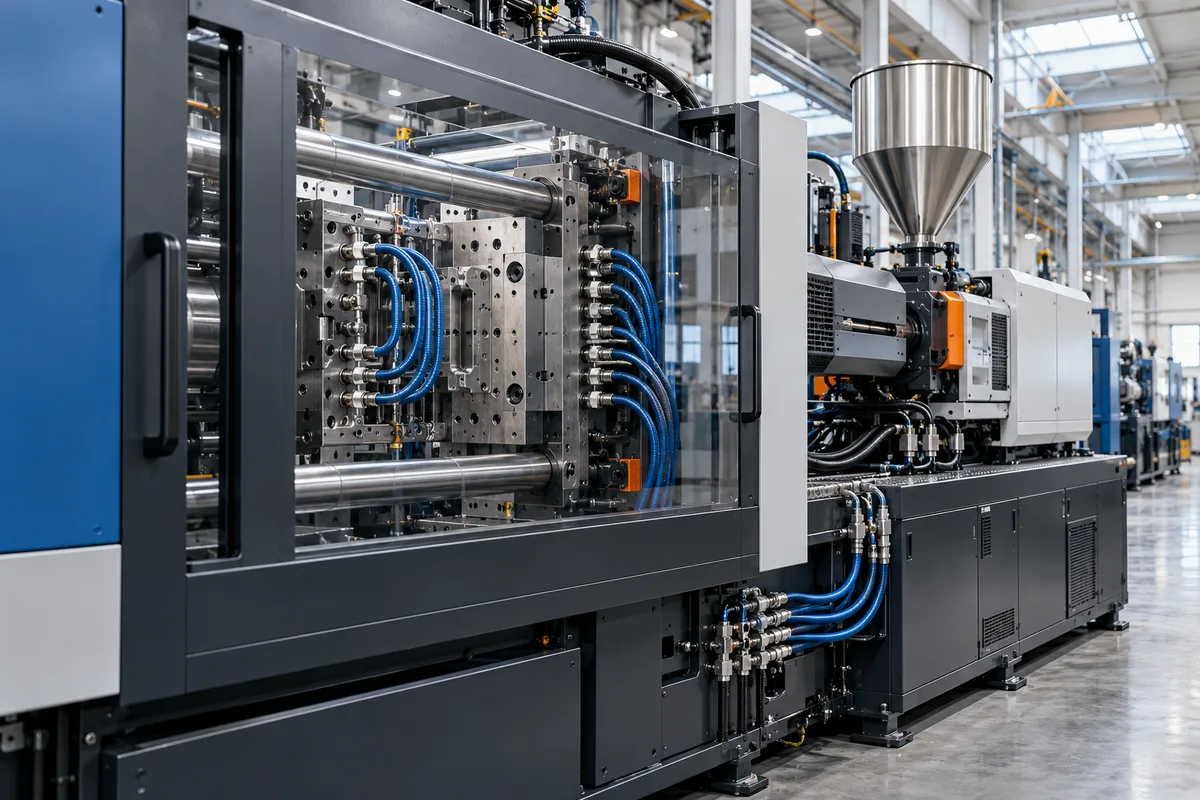
Temperature control for injection moulding, extrusion and mould cooling.
Explore the application ↗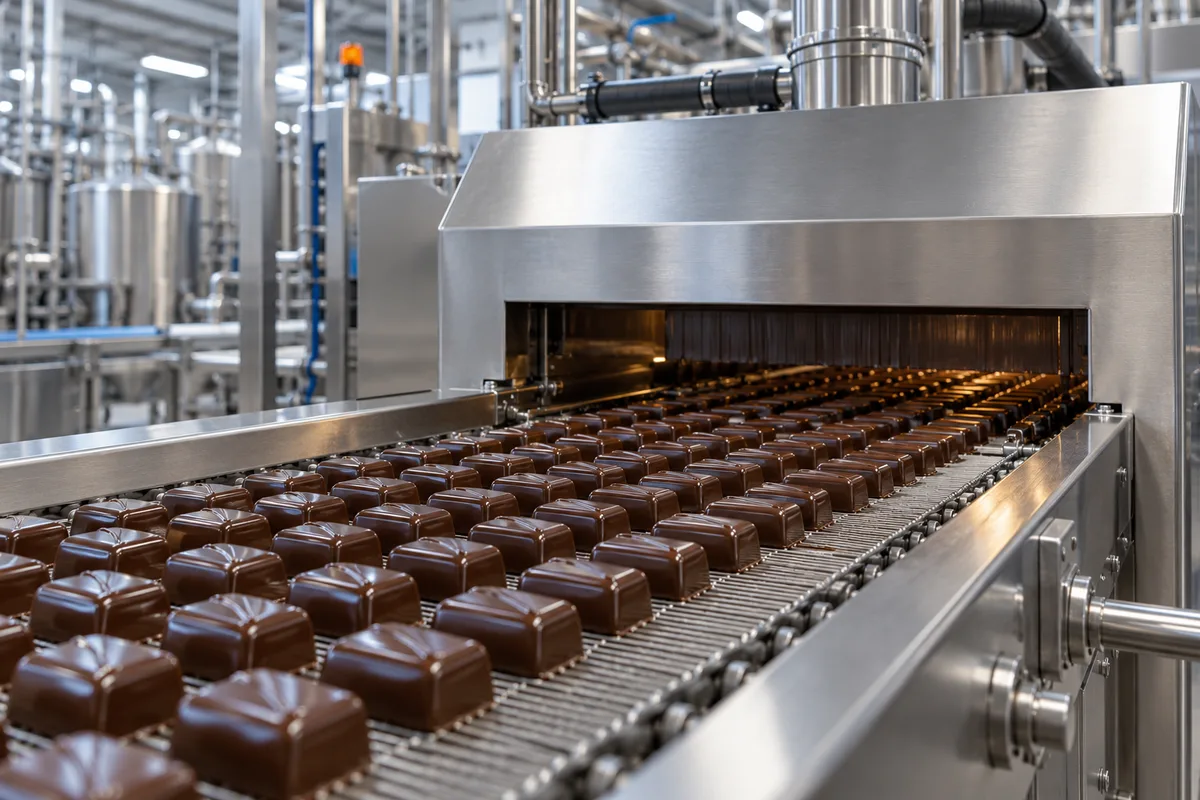
Cooling for chocolate lines, process tanks and production equipment.
Explore the application ↗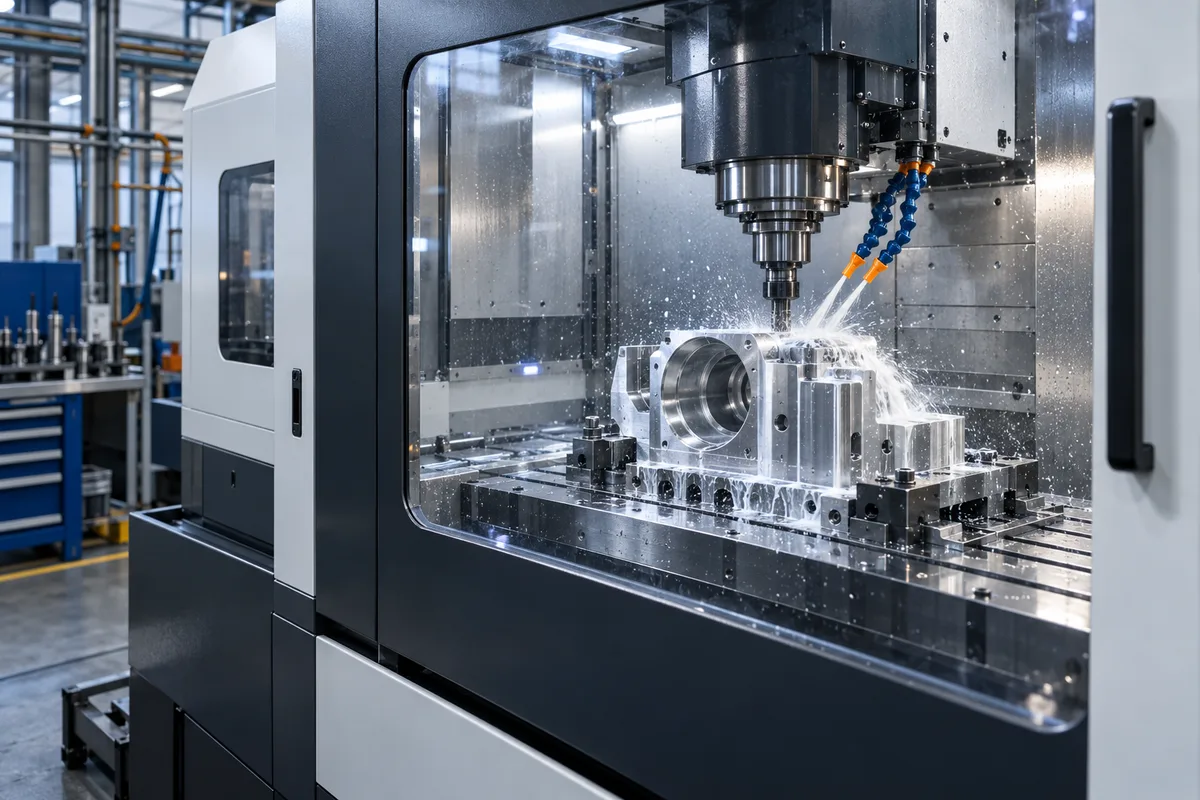
Controlled heat removal for CNC, spindle and hydraulic applications.
Explore the application ↗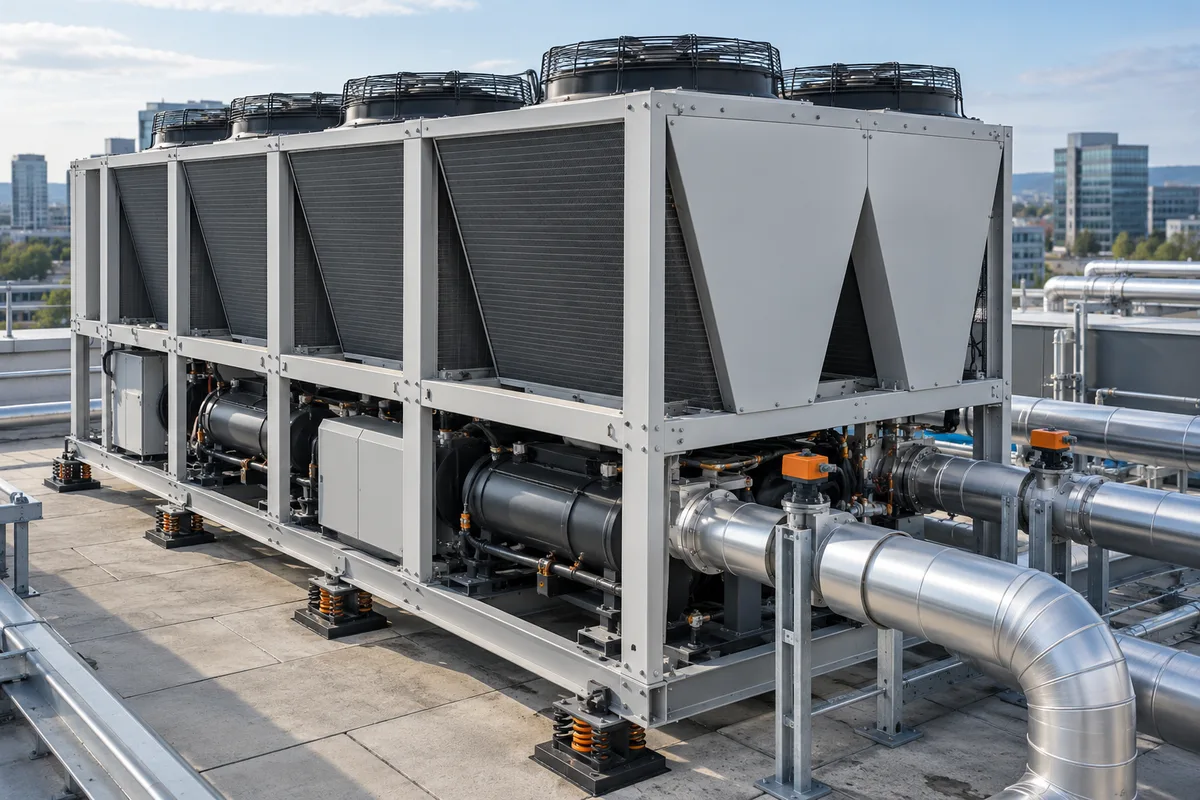
Central air conditioning infrastructure for hotels, hospitals and commercial buildings.
Explore the application ↗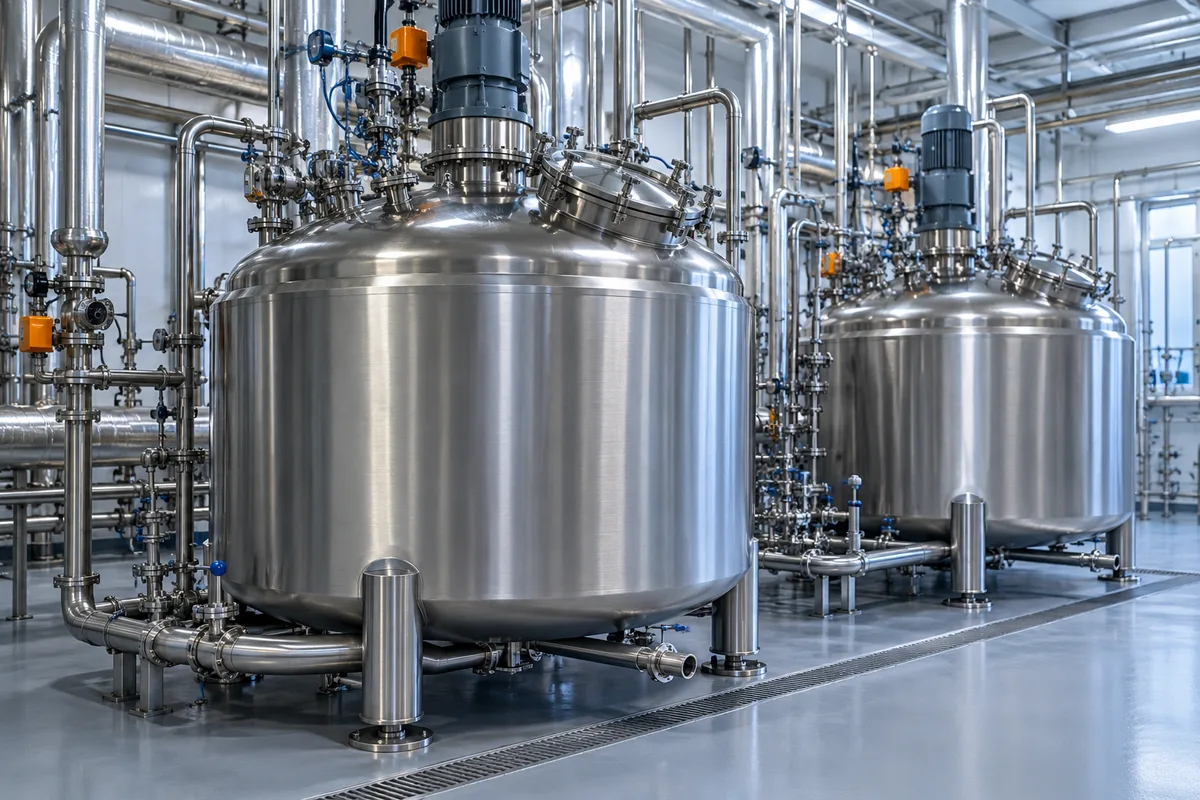
Process-specific temperature control for reactors and jacketed vessels.
Explore the application ↗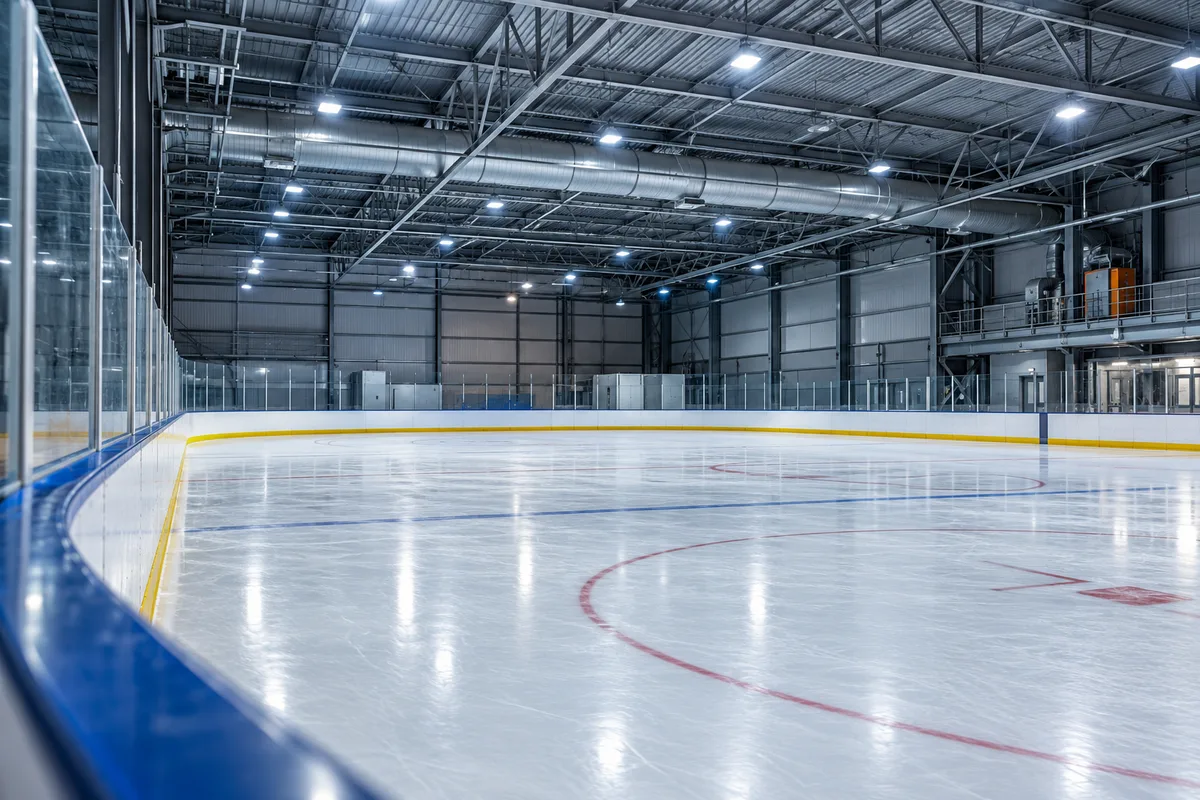
Cooling solutions for ice rinks, paper and printing lines and specialist processes.
Explore the application ↗Images are AI-generated illustrative application scenes, not CEMS reference installations.
In injection moulding, extrusion and mould cooling, balanced heat removal supports dimensional stability, surface quality and repeatability. Cooling requirements depend on the material, tool and production cycle.
A chiller supplies water at the required temperature and flow. Adequate cooling capacity alone is not enough: mould channels, pipes, filters and connections introduce pressure losses. Machines or moulds with different temperature requirements may need separate circuits and local temperature control units.
Applications: Injection moulds, extrusion lines, profile and pipe production, and suitable hydraulic oil cooling circuits.
Selection inputs: Material, production rate, simultaneous machine loads, water temperature, flow, pressure losses and ambient conditions.
Cooling requirements depend on the product, production stage and equipment. Process tanks, jacketed equipment, beverage preparation systems and suitably designed cooling tunnels can use a central chiller system.
Chocolate tempering temperature is not the same as chiller leaving water temperature. The chiller provides the cooling source, while the machine controls the product temperature profile. Supplying all equipment with the same water temperature is not necessarily appropriate.
The technical cooling circuit should not contact the product directly. Heat exchangers, fluid compatibility, condensation and pipe insulation must be considered alongside the hygiene requirements of the production line.
Applications: Chocolate processing, beverage preparation, process tanks, jacketed equipment and compatible cooling tunnels.
Selection inputs: Product and equipment requirements, capacity, operating schedule, water temperatures, simultaneous loads and hygienic circuit separation.
CNC machines, spindles, hydraulic systems and test rigs generate heat. Suitable heat removal helps equipment operate within the temperature limits specified by its manufacturer.
Depending on the application, the chiller can supply a water circuit or cool oil and other process fluids through an intermediate heat exchanger. Oil, cutting fluid or other fluids must not be assumed suitable for direct connection to a standard water circuit.
Colder is not always better. Surfaces below the ambient dew point can develop condensation, so the setpoint should be selected against equipment requirements and surrounding conditions.
Applications: Compatible CNC machines, spindle cooling, hydraulic oil heat exchangers and test lines.
Selection inputs: Heat load, permitted temperature range, fluid type, flow, pressure and control interfaces.
In hotels, hospitals, offices and commercial buildings, chillers can supply chilled water to air handling units and fan coils. Indoor temperature and humidity control depend on coordination between the chiller, terminal equipment and building automation.
Selection should consider more than the peak summer load. Daily occupancy changes, seasonal conditions and part-load operation also matter. Pump arrangements, hydraulic balancing and controls are important parts of operating performance.
Outdoor and rooftop layouts should account for airflow, hot air recirculation, noise, vibration and service access. Buildings with critical areas require a separate assessment of redundancy needs.
Applications: Hotels, hospitals, offices and commercial facilities.
Selection inputs: Building load, occupancy schedule, terminal equipment, water temperatures, noise limits and continuity requirements.
Reactors, mixing vessels and process equipment may need controlled heat removal. Cooling loads can change with the recipe and process stage.
In addition to average load, selection should consider start-up, rapid load changes and the time allowed to reach the target temperature. Where heating and cooling are both required, the chiller should be coordinated with the local temperature control system.
Fluid compatibility, circuit separation, leak tightness, measurement and alarms are defined within the project. Hazardous areas, special materials or validation requirements need specific assessment; a standard chiller must not be assumed to meet them automatically.
Applications: Jacketed vessels, reactor circuits, laboratory equipment and production processes.
Selection inputs: Load versus time, temperature tolerance, fluid properties, safety and automation requirements.
Applications from paper and printing lines to biogas facilities, ice rinks and test systems can require controlled cooling. Each has a different temperature range, fluid and operating schedule.
In ice rinks, the cooling system removes heat from a secondary fluid circuit beneath the ice. Load calculations consider rink area, ambient conditions, usage, resurfacing and system losses. The unit and fluid must be suitable for low-temperature operation.
For other processes, system limits should follow equipment manufacturer data. Connections to existing plant, additional heat exchangers and the economics of free cooling in a suitable climate can be assessed for each project.
Applications: Paper and printing processes, suitable cooling duties at biogas facilities, ice rinks and specialist test rigs.
Selection inputs: Actual heat load, target temperature, fluid, operating hours, installation conditions and existing pipework.
Share your application, required water temperature, estimated cooling load and installation location.
Request a technical assessment →
UYGULAMALAR
Uygulamanın üretim hedefi, ortam koşulları ve süreklilik beklentisine uygun soğutma çözümleri geliştiriyoruz.
UYGULAMA ALANLARI
Plastik, gıda, makine sanayi ve iklimlendirme uygulamalarında proses ihtiyacına uygun sıcaklık kontrolü ve sürekli soğutma.
Kalıp, ekstrüzyon ve enjeksiyon uygulamalarında hassas sıcaklık kontrolü.
HASSAS PROSES KONTROLÜ
Güvenilir üretim süreçleri için kontrollü ve sürekli soğutma.
GÜVENİLİR ÜRETİM
Kesintisiz üretim ve ekipman performansı için proses soğutma çözümleri.
SÜREKLİ ÇALIŞMA
Otel, hastane ve ticari yapılar için verimli iklimlendirme sistemleri.
VERİMLİ İKLİMLENDİRMEHassas proseslerde kararlı sıcaklık kontrolü ve sürekli çalışma için soğutma çözümleri.
HASSAS PROSES YÖNETİMİKağıt ve baskı sektörü, biyogaz tesisleri, buz pistleri ve farklı proses ihtiyaçları.
ÖZEL UYGULAMALAREnjeksiyon, ekstrüzyon ve kalıp soğutma hatlarında su sıcaklığının kararlı tutulması; ürün kalitesi, çevrim süresi ve kalıp performansı için kritiktir. CEMS Chiller, proses yüküne uygun kapasite ve kontrol yaklaşımıyla hattın sürekliliğini destekler.
Gıda ve içecek üretiminde doğru sıcaklık yönetimi, ürün kalitesini ve proses güvenilirliğini doğrudan etkiler. Üretim hattının gerektirdiği sürekli soğutma ihtiyacı için kapasite, hijyen gereklilikleri ve işletme koşulları birlikte değerlendirilir.
Tezgah, hidrolik sistem ve test uygulamalarında oluşan ısının kontrollü biçimde uzaklaştırılması; ekipman ömrü, işleme hassasiyeti ve planlı üretim için önemlidir. Uygulama özelinde debi, basınç ve sıcaklık ihtiyacına uygun bir sistem belirlenir.
Otel, hastane, ticari yapı ve benzeri alanlarda iklimlendirme; konforun yanı sıra enerji tüketimi ve işletme sürekliliği açısından da doğru planlanmalıdır. Yük profili ve mevsimsel koşullar dikkate alınarak uygun chiller ve hidronik ekipman yapısı oluşturulur.
İlaç ve kimya uygulamalarında proses sıcaklığının tutarlı biçimde yönetilmesi; ürün kalitesi, tekrarlanabilirlik ve işletme sürekliliği için önemlidir. Sistem yaklaşımı, ihtiyaç duyulan sıcaklık aralığı, debi ve prosesin kritik gerekliliklerine göre belirlenir.
Her endüstrinin ısıl yükü ve işletme koşulu farklıdır. Kağıt ve baskı hatları, biyogaz tesisleri ve buz pistleri gibi uygulamalarda sistem; prosesin sürekliliği, ortam koşulları ve enerji verimliliği hedefleri birlikte değerlendirilerek oluşturulur.