

What Is a Water-Cooled Chiller? Advantages, Operating Principle and Selection Guide
From industrial production facilities and hospitals to hotels and shopping malls, uninterrupted and efficient cooling is of great importance in many types of buildings and facilities. One of the most effective systems for meeting this requirement is a water-cooled chiller system. Particularly in high-capacity projects, these systems are frequently preferred by businesses due to their energy efficiency and low operating costs.
In this article, we will examine in detail the operating principle, advantages, application areas and selection criteria of water-cooled chiller systems.
What Is a Water-Cooled Chiller?
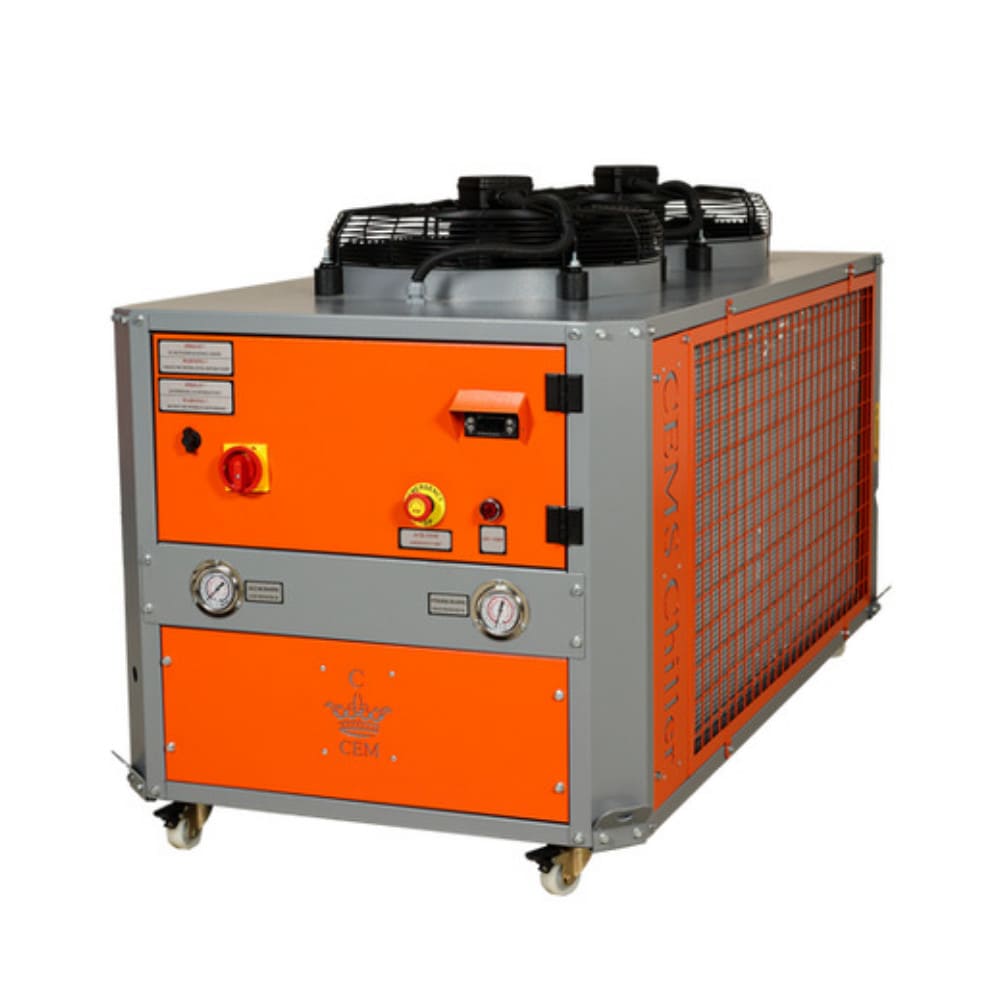
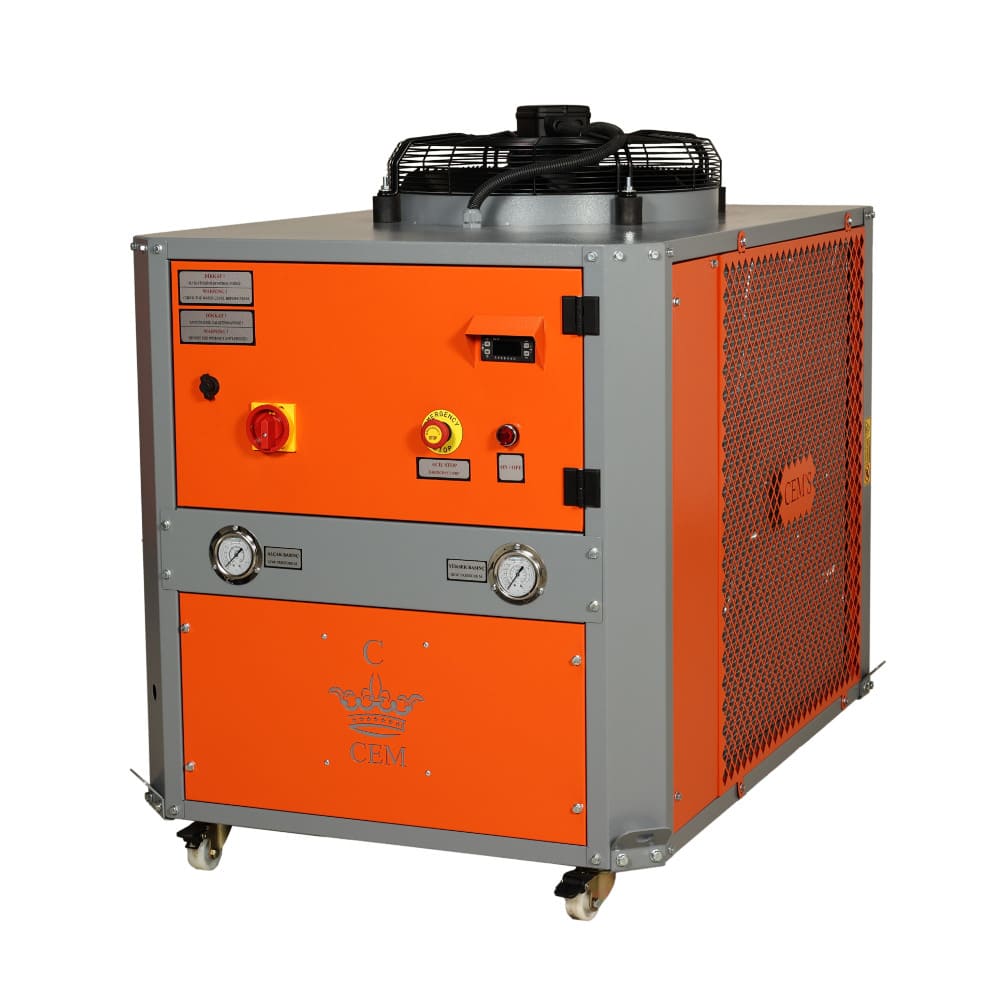
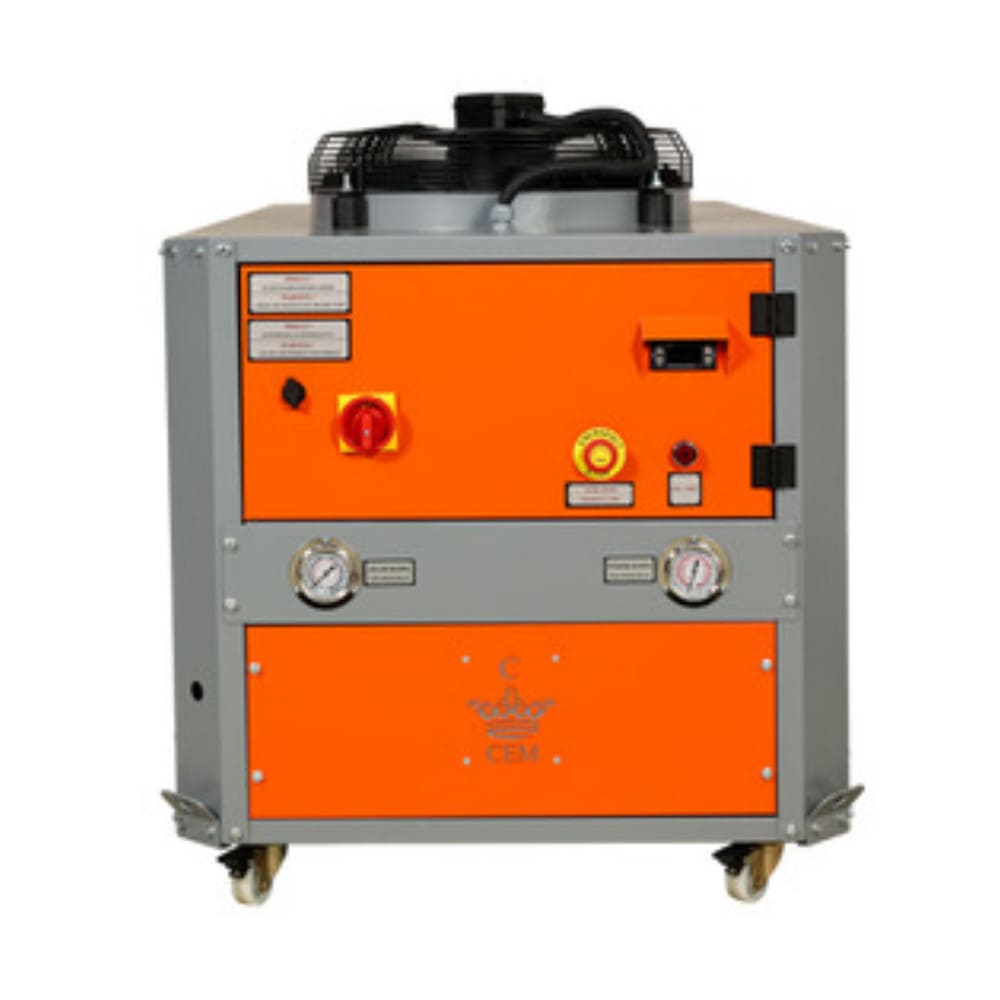
A water-cooled chiller is a central cooling system that uses refrigerant to cool water to the desired temperature and transfers the resulting heat to the cooling water through the condenser.
Unlike air-cooled systems, a cooling tower or closed-loop water system is used instead of outdoor air to cool the condenser. This makes it possible to achieve higher cooling capacities and greater energy efficiency.
These systems are particularly preferred in facilities with high cooling demands, such as:
- Factories
- Shopping malls
- Hospitals
- Hotels
- Data centers
- Large office complexes
How Does a Water-Cooled Chiller Work?
A water-cooled chiller system consists of four main components:
1. Evaporator
As the process water to be cooled passes through the evaporator, it transfers its heat to the refrigerant.
2. Compressor
The refrigerant is compressed, increasing its temperature and pressure.
3. Condenser
The heat carried by the high-temperature refrigerant is transferred out of the system with the help of cooling water.
4. Expansion Valve
The refrigerant, whose pressure has been reduced, is returned to the evaporator and the cycle continues continuously.
This cycle provides continuous cooling at the desired temperature.
Advantages of Water-Cooled Chillers
- High Energy Efficiency
Water has a much higher heat transfer coefficient than air. Therefore, water-cooled chiller systems can operate with lower energy consumption.
Particularly in facilities that operate throughout the year, this can provide significant electricity savings. - Low Operating Costs
Although the initial investment cost is higher than that of air-cooled systems, the investment can pay for itself over time through energy savings. - Quiet Operation
Because condenser fans are not required or operate at a lower capacity, noise levels are considerably lower.
This feature provides an important advantage particularly in:
• Hospitals
• Hotels
• Offices - Long Service Life
Equipment that is less affected by outdoor weather conditions can maintain high performance for a longer period.
With regular maintenance, a service life of more than 20 years can be achieved. - Superior Performance at High Capacities
In projects of 500 kW and above, water-cooled chiller systems become significantly more economical.
For this reason, they are among the most commonly preferred systems for large-scale facilities.
Where Are Water-Cooled Chillers Used?
These systems are reliably used across many industries.
Industrial Production
• Plastic injection molding
• Metal processing
• CNC machines
• Food production
• Chemical plants
Commercial Buildings
• Shopping malls
• Hospitals
• Hotels
• Universities
• Business centers
Critical Cooling Applications
• Data centers
• Server rooms
• Laboratories
• Pharmaceutical manufacturing facilities
Differences Between Water-Cooled and Air-Cooled Chillers
| Feature | Water-Cooled Chiller | Air-Cooled Chiller |
|---|---|---|
| Energy Efficiency | ★★★★★ | ★★★☆☆ |
| Electricity Consumption | Lower | Higher |
| Initial Investment | Higher | Lower |
| Maintenance | Moderate | Low |
| Cooling Tower | Required | Not Required |
| Large Projects | Highly Suitable | Moderately Suitable |
How to Select the Right Water-Cooled Chiller?
Selecting a unit with the correct capacity is extremely important for energy efficiency.
The following criteria should be evaluated during the selection process:
- Cooling capacity (kW or TR)
- Leaving water temperature
- Entering water temperature
- Daily operating hours
- COP value
- EER value
- Compressor type
- Refrigerant type
- Service network
- Spare parts support
Incorrect capacity selection can both increase energy consumption and shorten equipment service life.
Why Is Water-Cooled Chiller Maintenance Important?
In systems that do not receive periodic maintenance:
- Energy consumption increases.
- Cooling capacity decreases and the risk of failure increases.
- Compressor service life is shortened.
- Operating costs increase.
The following procedures should be included in routine maintenance:
- Evaporator cleaning
- Condenser cleaning
- Cooling water analysis
- Filter cleaning
- Refrigerant pressure checks
- Electrical connection checks
- Automation system tests
With regular maintenance, the system can continue to operate at an efficiency level close to its original performance.
Frequently Asked Questions (FAQ)
What is the main difference between a water-cooled chiller and an air-cooled chiller?
A water-cooled chiller uses water to cool the condenser, while an air-cooled chiller uses outdoor air. For this reason, water-cooled systems generally provide higher energy efficiency in large-scale projects.
What types of facilities are water-cooled chillers suitable for?
They are an ideal solution for factories, hotels, hospitals, data centers and shopping malls that require high cooling capacities.
How often should chiller maintenance be performed?
Although the exact frequency depends on operating conditions, monthly inspections and at least two comprehensive periodic maintenance services per year are recommended.
Does a water-cooled chiller provide energy savings?
Yes. Particularly in large systems that operate continuously, water-cooled chillers can provide lower energy consumption compared with air-cooled models.
Conclusion
Water-cooled chiller systems are among the essential cooling solutions for modern industrial and commercial facilities thanks to their high efficiency, low energy consumption, long equipment service life and high cooling capacity.
A properly designed water-cooled chiller system, selected at the correct capacity for your facility and maintained regularly, can reduce energy costs while also improving operational continuity and system reliability.